Shipping Out of South China on 16-20 November: Air Steps Aside, Ocean Needs an Earlier Gate
The 33rd APEC Economic Leaders' Meeting takes place in Shenzhen on 18-19 November. The meeting itself runs two days, but the operational impact covers the whole week of 16-20 November. During that week Shenzhen does not close its port and does not halt work. What changes is the timing window at every step of the chain.
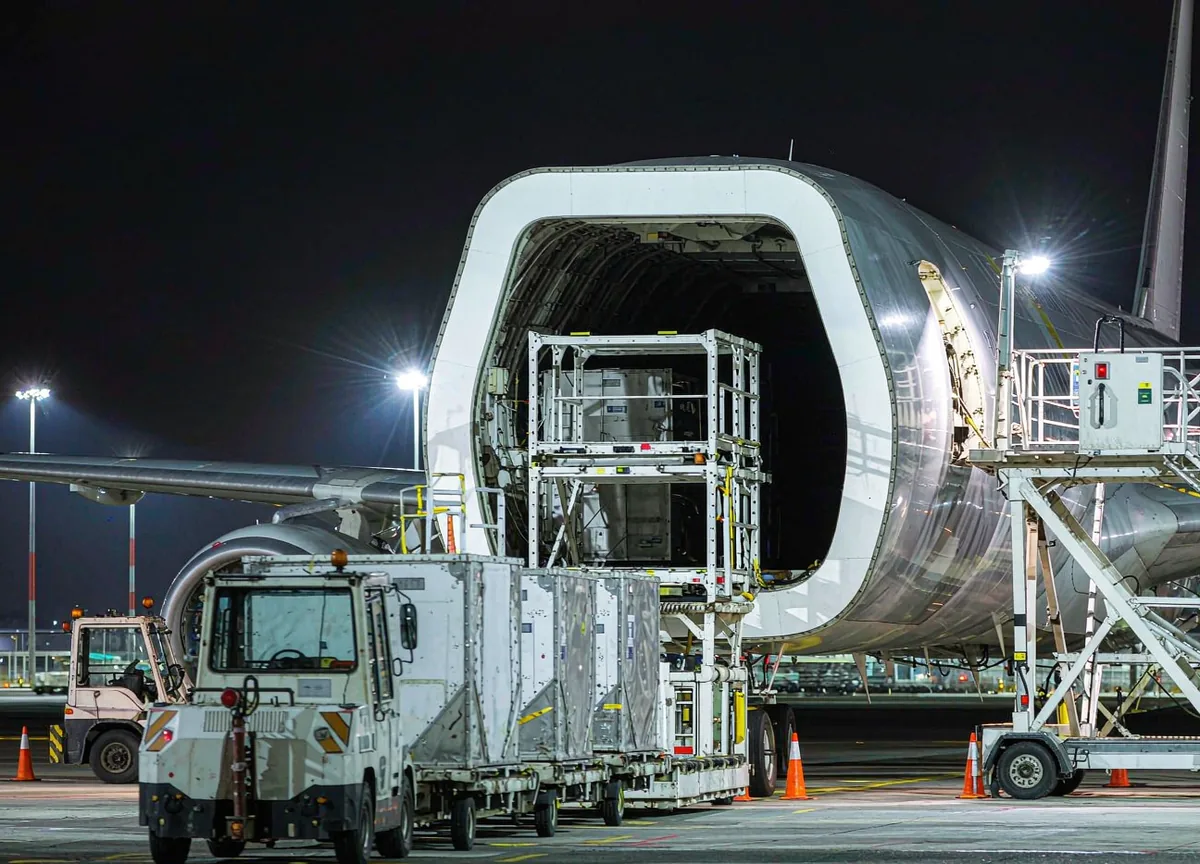
Air freight is where the change is most complete. According to customer advisories issued by forwarders, all cargo flights at Shenzhen Bao'an International Airport are expected to be cancelled or redirected to alternate airports between 16 and 20 November. Around 70% of passenger flights are expected to be cancelled, the remaining passenger flights are expected to stop accepting cargo, the Shenchang terminal will be closed, and the ICCS terminal is expected to face operating constraints. Security screening and customs inspections will be tightened at Shenzhen airport, Shenzhen Bay and Liantang, which lengthens handling and clearance times. In practical terms, shipping air freight directly out of Shenzhen that week is close to unworkable. Urgent cargo has to move through Hong Kong or Guangzhou, and Guangzhou cargo terminals were already tight on space from diverted volumes. Rerouting does not by itself create capacity.
Air freight is not cheap to begin with. In week 43, the global air freight spot rate averaged about USD 3.80 per kilo, up 5% week on week and 38% higher year on year. Asia-Pacific to the United States stood at about USD 7.43 per kilo, up 41% year on year, and Asia-Pacific to Europe at about USD 5.10. Black Friday and Christmas stocking are in their final stretch, so capacity is tight and prices are high. Add the diversion from the APEC week and the cost of finding space at the last minute will sit well above the cost of blocking it in advance.
Ocean freight looks the other way round. The port does not stop, but the window moves forward. From 16 October, Yantian and Shekou shifted the gate-in booking window for export full containers from seven days before estimated berthing to ten days, and Yantian raised daily booking capacity from 11,000 to 13,000 TEU. Dachan Bay has not changed. On the surface this hands shippers three extra days. In practice the terminals want boxes on the ground earlier, so that any road-side uncertainty during the meeting week is absorbed before restrictions begin.
Road restrictions are firm. At its 15 October briefing, the Shenzhen government set out targeted restrictions of two to five days by vehicle class: light trucks, heavy trucks and dangerous-goods vehicles. Light and micro box vans are excluded, couriers get permits to operate in selected time slots, and fresh produce, medical supplies and emergency repair vehicles can register or apply for temporary permits. During the meeting week, trucks entering and leaving Futian district need temporary traffic permits, and roads around the airport may be subject to restrictions.
Read the three together and the conclusion is not that Shenzhen shuts down. It is that the reference point for planning has changed. The old routine worked backwards from estimated departure, to cut-off, to stuffing, to pick-up. That week it has to run the other way: fix the gate-in booking date first, then work back to stuffing and pick-up. For vessels arriving or departing on 18-19 November, slipping one link by a day does not mean boarding a day late. It means waiting for the next sailing.
For cargo owners, the first move is to step around the week entirely. Complete consolidation and export declaration before 13 November so the box is already inside the gate when restrictions start. If that is not achievable, book the sailing date for 23 November or later rather than betting on a same-day recovery on the 20th.
The second is to handle dangerous goods and special cargo separately. Battery, liquid, powder and magnetised cargo all need dangerous-goods trucks, and those face the tightest restriction window. Permits and vehicles should be locked three to five days ahead, with MSDS and declaration documents ready in advance. There is no room for fixing paperwork on site that week.
The third is to move urgent air cargo to another gateway. Rerouting through Hong Kong or Guangzhou means rebuilding lead times around one to two extra days, and blocking space in advance rather than hunting for it later. Tell the consignee early that a rebooking is possible, so that secondary charges at destination do not turn into a dispute.
The fourth is to put the added cost into the quotation. Tight trucking capacity, temporary permits, rebooking and storage during the meeting week are not covered by freight rates. Listing them as a separate line item, with a clear split of responsibility for rebooking and delay, is far easier than explaining afterwards.
The meeting week lasts five days, but its effect does not. Once restrictions lift, accumulated containers, rebooked sailings and postponed pick-ups will all release in the final week of November, and carriers may adjust port rotations and capacity in response. Treating the week as a lead-time adjustment rather than an accident costs a lot less.