China's New Ship Pollution Rules Take Effect: What Changes for Documents, Penalties and Ship-to-Ship Transfer
On 1 November, Order No. 17 of 2026 from China's Ministry of Transport takes effect. It is the fifth revision of the rules governing pollution of the marine environment by ships and ship-related operations since 2010, and the broadest one yet. The trigger is the Ecological Environment Code that came into force on 15 August, which repealed the Marine Environment Protection Law and the Air Pollution Prevention Law, so the regulation had to be realigned. For anyone moving cargo in and out of China, however, the legislative mechanics matter far less than three practical changes that hit documentation, timing and cost.
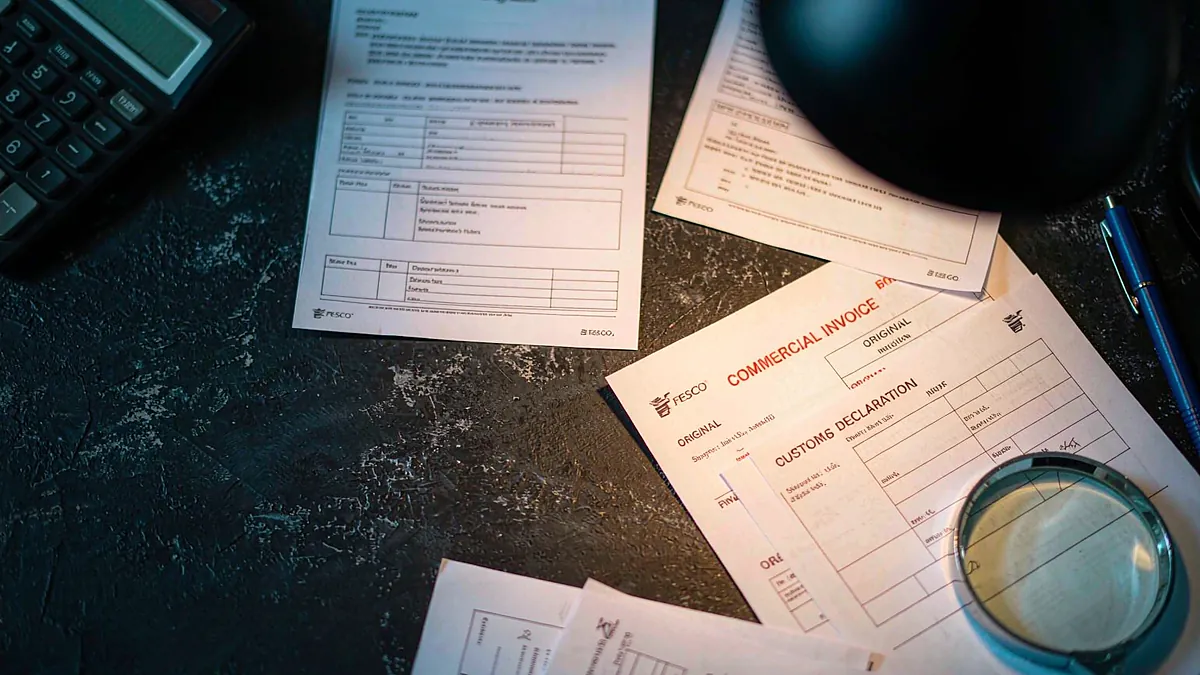
Documentation comes first. Article 29 now requires transport documents to state a cargo's formal name rather than the technical name used in the past, and to add the relevant numbering and handling notes. It also states plainly that a shipper may not slip pollution-hazardous cargo into a general cargo booking, nor declare such cargo as general goods. On paper this looks like a wording tweak. In practice it removes most of the room for error in cargo description.
Penalties come second, and they have been broken into much finer tiers. Concealing or misdeclaring hazardous cargo within general goods now carries a fine of RMB 100,000 to 200,000. A shipper failing to disclose the nature of the cargo faces RMB 50,000 to 100,000. Documents, packaging or marks that do not comply draw RMB 20,000 to 100,000. Unlawful discharge into the sea has risen from RMB 30,000 to 200,000 up to RMB 100,000 to 300,000, and to RMB 300,000 to 500,000 in serious cases. Sailing without the required pollution-prevention certificates used to mean a warning or a fine under RMB 20,000; it now means an order to correct plus RMB 10,000 to 100,000, and a vessel can be ordered to suspend operations if it does not comply. The enforcement logic has shifted from imposing a fine to requiring correction first and stopping the ship if correction does not happen. For schedule risk, that matters more than the money.
The third change covers operations and record-keeping. Approval for a single-voyage ship-to-ship transfer has been cut from two working days to 24 hours, and periodic cargo-fitness declarations from seven days to five working days. That is real time saved. But the bar has gone up at the same time. Vessels carrying packaged liquid pollution-hazardous cargo must now perform tank washing, tank cleaning, gas freeing and purging well away from populated areas, busy navigation channels, fairways and military waters. Loading, discharging or transferring more than 300 tonnes of bulk oil or noxious liquid requires oil booms, or an equivalent measure where booms cannot be deployed. Tank cleaning on tankers above 30,000 deadweight tonnes and transfers above 10,000 tonnes of bulk liquid hazardous cargo require dedicated risk controls. On records, the ballast water record book must be kept on board for two years and then by the company for three more; the garbage record book for two years; the oily water and noxious liquid water record books for three years.
How much this bites depends on the commodity. In the fuel oil chain, the pre-operation report now includes bunkering of fuels other than oil, and quantities must be reported afterwards. Suppliers of LNG, methanol and ammonia must complete a filing, submit hose test certificates and a fuel quality undertaking, and issue bunker documents covering fuel type, quantity, density and sulphur content, retained for three years with samples held for one year. In fertilisers, ammonium nitrate grades were already treated as pollution-hazardous cargo, and checks on packaging, marks and formal names will only get tighter. For non-ferrous metals, smelter intermediates and mineral cargoes consolidated with general goods are where the question of what exactly this is tends to surface.
Four practical steps for shippers. First, standardise cargo descriptions on the formal name and align the customs declaration, the manifest and the dangerous goods declaration word for word, including numbering and handling notes; a colloquial name on any one of the three will stop the shipment at inspection. Second, count consolidated cargo piece by piece rather than hiding a small quantity of hazardous goods in a general container to save a box, because that tier carries a fine of RMB 100,000 to 200,000 and points directly at the shipper. Third, use the 24-hour transfer window, but have the paperwork ready in advance: sample analysis, hose testing, qualification certificates and contingency plans, since any missing item means waiting. Fourth, archive record books, bunker documents and samples to the new retention periods; after an incident or a dispute they are the only evidence that allocates liability, and the retention window now runs three to five years.
Compliance cost arrives before the shipment. Fines and suspensions arrive after it. The arithmetic is not difficult.