250 Workers Could Halt Half a Port Complex: LA-Long Beach Strike Deadline Meets a 35,000-Container Rail Backlog
The busiest container gateway in the United States is heading into a sensitive window. The Pacific Maritime Association confirmed on October 27 that roughly 250 port security guards from ILWU Local 26 have voted to authorize a strike, with their current contract extension expiring at 5 p.m. Pacific Time on November 1 - the earliest date the union can lawfully walk out. According to the Journal of Commerce on October 29, talks are continuing under federal mediation and the deadline may slip toward November 4. The guards represent only about 2 percent of the ILWU workforce at the two ports, but the eight terminals they staff - including APM Terminals, LBCT, TTI and several SSA facilities - handle roughly 85 percent of Long Beach's cargo and 33 percent of Los Angeles'. If they stop, the rest of the workforce is expected to honor their picket lines, potentially halting vessel, yard and gate operations at facilities that move more than half the complex's total volume.
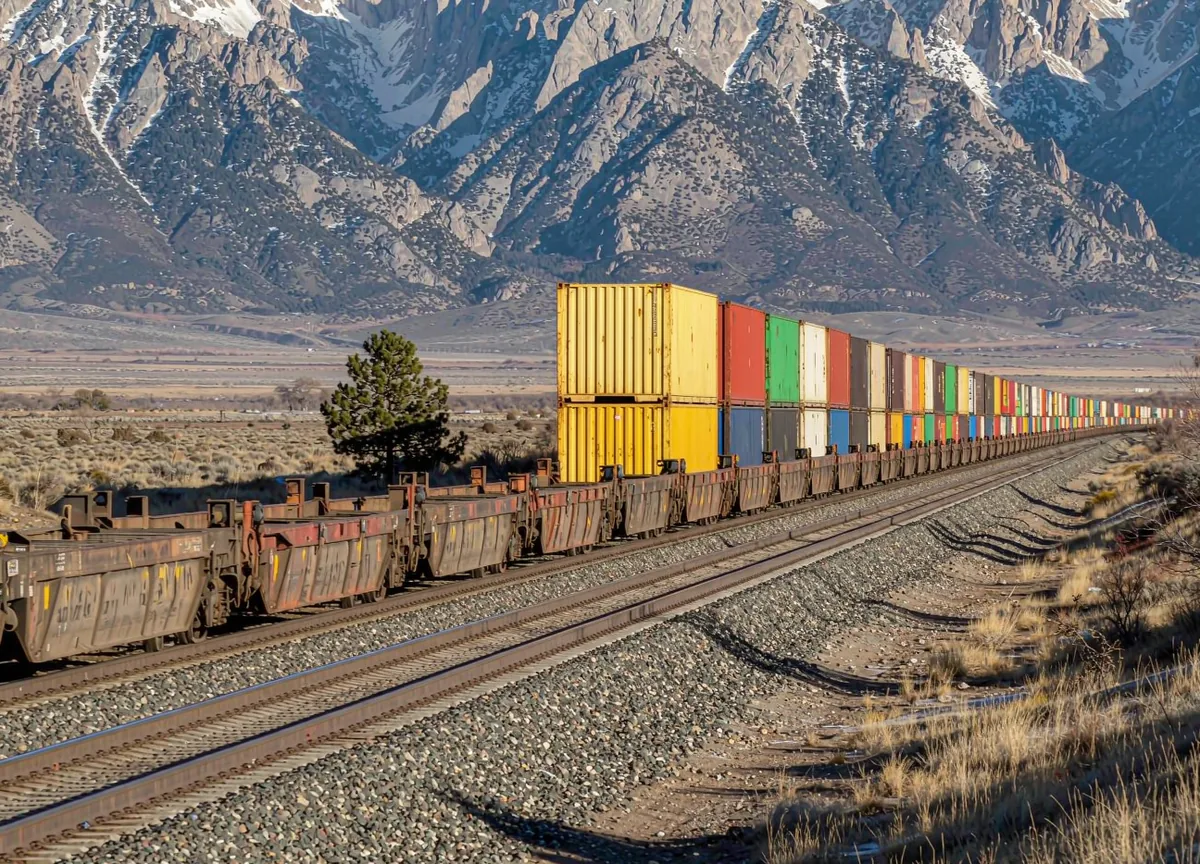
The strike risk lands on an inland distribution system that is already silted up. As of October 26, 35,688 import containers were waiting for trains across the two ports, and 10,562 of them had been sitting for nine days or longer. Los Angeles is worse off: 41 percent of its 19,626 rail-bound boxes had waited more than nine days, against 15 percent at Long Beach. In September, rail-bound imports averaged 7.19 days on terminal, up from 6.75 days in August, while containers trucked out directly averaged just 3.18 days. The two ports handled a combined 2.04 million TEUs in September, a monthly record, and railcar shortages in Southern California have prompted carriers such as Union Pacific to tighten equipment deployment. Adding to the strain, the Vincent Thomas Bridge - a key port access route carrying more than 50,000 vehicles a day - closes on November 7 for extended repair work, which will further slow truck turnarounds.
For shippers moving cargo from China into the US interior - Chicago, Memphis, Detroit and other rail-served markets - the binding constraint right now is not vessel space but getting boxes off the terminal once they discharge. The twin ports handle about 31 percent of all US seaport container traffic. If terminals shut, storage and demurrage charges accrue daily, and responsibility for the delay is hard to assign after the fact. Based on how we manage such situations at A-Choice, there are three things worth doing immediately.
First, triage by inland mode. For rail-bound containers, verify free time and last free day now, and flag any cargo arriving in early November with a Midwest destination as top priority. Where possible, switch to local trucking - trucked boxes currently dwell at barely 40 percent of the time rail-bound ones do. For time-sensitive freight, consider routing via Oakland or Seattle-Tacoma instead, and if carriers publish contingency gateway options, apply for a change of port sooner rather than later.
Second, put responsibility in writing before the cargo moves. Strikes and bridge closures sit in contested territory when it comes to force majeure, so who pays for storage and demurrage should be spelled out in the booking confirmation and inland haulage instructions. For cargo already on the water, agree the pickup plan with consignees now - after arrival, a standoff between forwarder, carrier and consignee burns through free time for everyone.
Third, watch two dates: 5 p.m. on November 1, and the bridge closure on November 7. Reporting suggests the strike timing may slip to around November 4, but a delay is not a cancellation. Check terminal notices at both ports daily through the first week of November. Even if a walkout is resolved within days, clearing a backlog of more than 35,000 boxes will take time, so inland transit budgets for the US West Coast this quarter should carry an extra week.
The broader lesson is worth keeping: 250 people can leverage half a port complex not because they are numerous, but because terminal operations are concentrated and the rest of the workforce honors picket lines by long-standing custom. For shippers, the point of risk management has never been predicting whether a strike will happen. It is knowing in advance three things about your own cargo: where it stands, who pays if it stalls, and what the alternative route is. The best place for those answers is the contract, not the contingency plan.