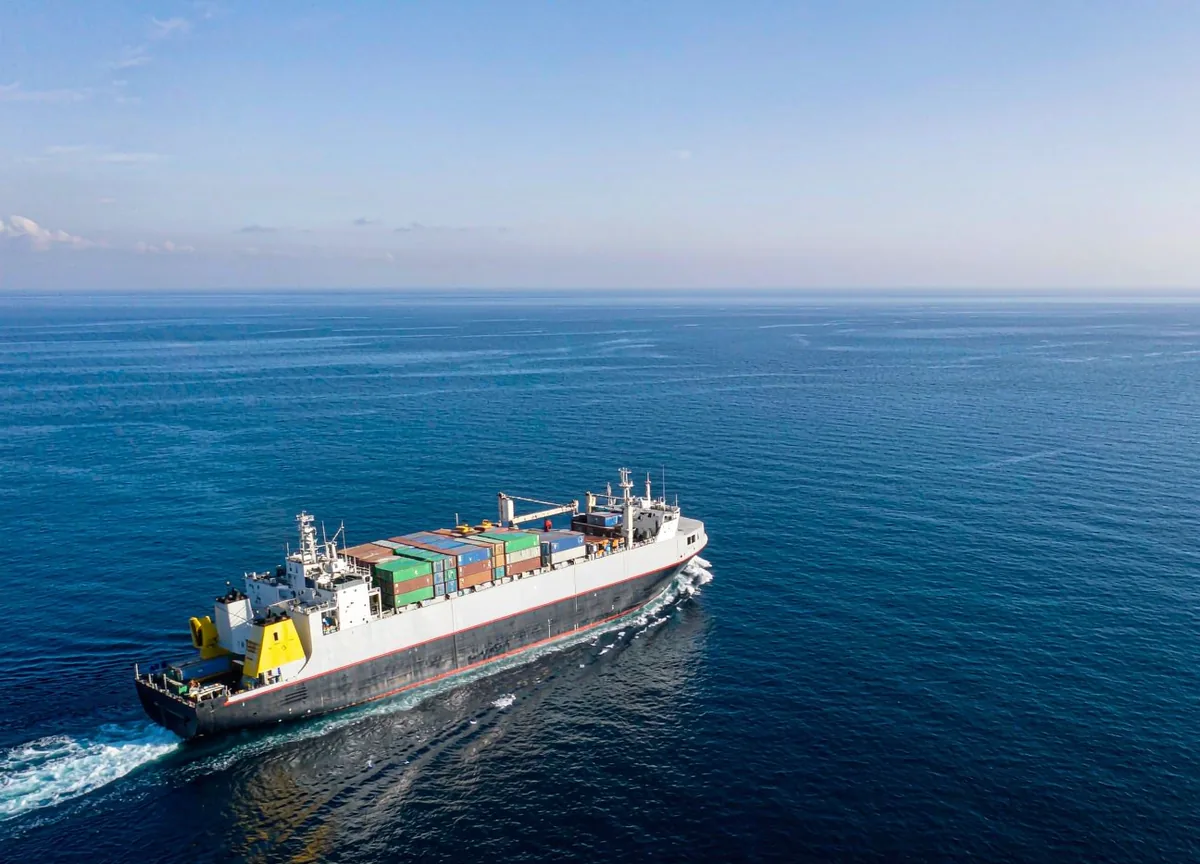
Spot Rates Are Flat, Charter Rates Hit a Four-Year High: Carriers Are Pricing Next Year's Capacity Now
The latest Shanghai Containerized Freight Index barely moved, edging up 0.05% to 3,681.34 points, while the CCFI slipped 2.4%. On the surface, the spot market is standing still. The charter market is not. Braemar's charter rate index printed 325.8 points, up 21% year on year and the highest since the autumn of 2022. The deal that set the tone: EM CORFU, a 2,556 TEU feeder built in 2001 and owned by Greek interests, was fixed for twelve to fourteen months at $62,500 per day, roughly 50% above the New ConTex assessment, for delivery in mid-December. When owners pay a premium that steep for an aging mid-size boxship, they are not betting on this month's spot rates.
Nor is this a one-off. 1,100 TEU feeders are strengthening across the board; small-ship supply in the Mediterranean has tightened while Red Sea and Gulf repositioning demand adds pressure, pushing premiums up to 25% over normal levels. The supply side explains why: owners locked in long-term charters through 2024 and 2025, and tonnage rolling off those deals is no longer returning to the open market. Between January 1 and October 17, only 853 fixtures were concluded, down 15% year on year, covering 2.54 million TEU, down 10%. It is not that demand has faded. The available ships are simply already taken, and charterers are being forced to commit earlier than they planned.
So why are carriers scrambling for tonnage while spot rates sit flat? They are pricing in two things. First, the network rebuild that follows a Suez return: container transits through the canal have recovered to about 67% of pre-crisis levels, and most lines now expect a broadly full return in the first half of 2027. Reopening the canal releases Cape of Good Hope capacity all at once, but it also forces a complete re-weaving of service strings, and carriers need tonnage in hand to do it. Second, the gap before the 2028 delivery wave: the orderbook exceeds 14 million TEU, more than 40% of the existing fleet, but most of those ships arrive in 2028. For the eighteen months in between, carriers would rather pay today's elevated charter rates than find themselves without tonnage when slots are contested.
For exporters, three practical takeaways follow. First, do not anchor rate negotiations to the 2028 delivery wave. Those ships are not on the water, and carriers have already hedged the gap with charter contracts; expecting rates to collapse next year alongside the orderbook is a losing bet. Second, 2027 first-half contract space will be cheaper to secure now than after Chinese New Year. The charter index is a leading indicator, and once the spot indices move, contract rates will already reflect the rise. Third, the Red Sea is the decisive variable. A faster Suez return means released capacity and downward pressure on rates, so keep contracts short-dated or build in a repricing clause triggered by a resumption of Suez transits. Do not bake the Cape routing premium into your landed costs for years to come.
In reviewing clients' Q4 shipping plans, A-Choice now includes the charter index in its capacity early-warning framework. A flat spot index does not mean space is loose: rising charter rates signal that carriers are tightening control. November fixture activity on Asia-Europe remains weak, but the gap between the post-Christmas rush and Chinese New Year may offer less space than the indices suggest. Clients with firm year-end volumes should complete their bookings a week before announced GRI effective dates, rather than react after the tariff sheet arrives.