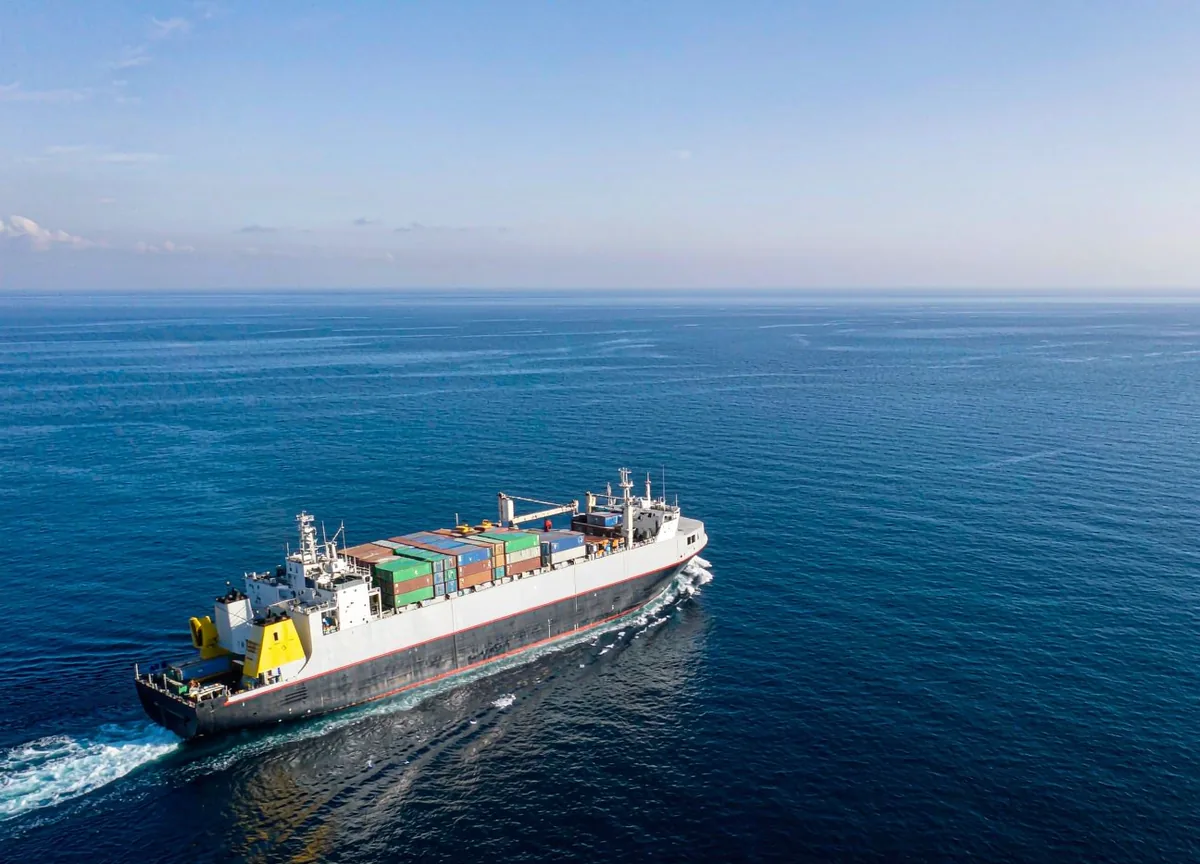
Project Cargo Rates Back Above $13,000: For Heavy-Lift Exports, the Hard Part Is Ashore, Not at Sea
While global container rates remain in a downtrend, the breakbulk and project cargo market has charted a very different course. Toepfer Transport's Multipurpose Index (TMI) recently broke through the $13,000 mark for the first time since May 2025, while the TMI-500, tracking larger tonnage, reached $17,782 — the highest level since the index launched in May 2026. Meanwhile, fuel costs remain elevated, with VLSFO carrying roughly a 75 percent premium over May 2025 levels.
At last week's Breakbulk Summit hosted by the Port of Antwerp-Bruges, one consensus stood out: fleet numbers are rising, yet the effective capacity shippers can actually book is shrinking. MSC's regional project cargo manager for Europe and the Mediterranean was blunt about it — congestion is structural and will not disappear in the coming years, because over the past several years fleet expansion has far outpaced the development of terminals, storage yards, and road infrastructure. When external disruptions such as extreme weather hit, that fragility surfaces all at once.
Demand is compounding the pressure. Take battery energy storage systems (BESS): over ninety percent of global production comes from China, and a change in taxation rules is driving manufacturers to ship inventory before the end of December — squeezing space on both container vessels and breakbulk carriers. The ro-ro market tells a similar story: Asian demand growth has exceeded nearly every forecast made only a few years ago, and directional imbalance has left Asia-to-Europe space extremely tight.
Another often-overlooked factor is vessel specialization. The retrofitting and segmentation of multipurpose and heavy-lift ships means each vessel can handle a narrower range of cargo types, while scrapping of older tonnage has nearly stalled. Nominal capacity looks ample, but the stowage that fits your oversized unit is scarce. For project cargo vessels trading voyage by voyage, a single variable — canal slot allocations, port draft restrictions, or berth queues — can push an entire EPC project's logistics chain back by days.
For shippers planning heavy-lift exports — whether complete plant equipment, mining machinery, or power infrastructure — we offer four practical recommendations.
First, work on a six-week lead time. Project cargo is not a standard box; matching the right vessel takes ship-by-ship screening, and space confirmation takes far longer than liner booking. During concentrated export periods such as the year-end rush, start inquiries and vessel selection at least four to six weeks ahead.
Second, put the landside into the contract. Terminal storage capacity, overland permits for abnormal loads, and gate-in windows are today's principal bottlenecks and the most likely points of failure. Every step before loading should have a named responsible party and a fixed schedule.
Third, provide full cargo specifications up front. Unit weights, dimensions, lifting points, center of gravity, and lashing plans — the earlier and more complete the data, the more vessels can be matched and the more solid the quotes. Supplying details at the last minute usually costs you a vessel change or a postponement.
Fourth, ship off-peak. If the project schedule allows, avoid the year-end rush and the pre-Chinese New Year peak; both space availability and pricing will work in your favor.
Project cargo pricing follows a logic entirely different from container freight: it does not track index swings but is priced by the scarcity of effective stowage. In today's market, advance planning is itself the biggest cost saving.